
Coral Reef Restoration in Bali: Get Involved with Project Laut
By the Project Laut team. Photographs and videos: Project Laut.
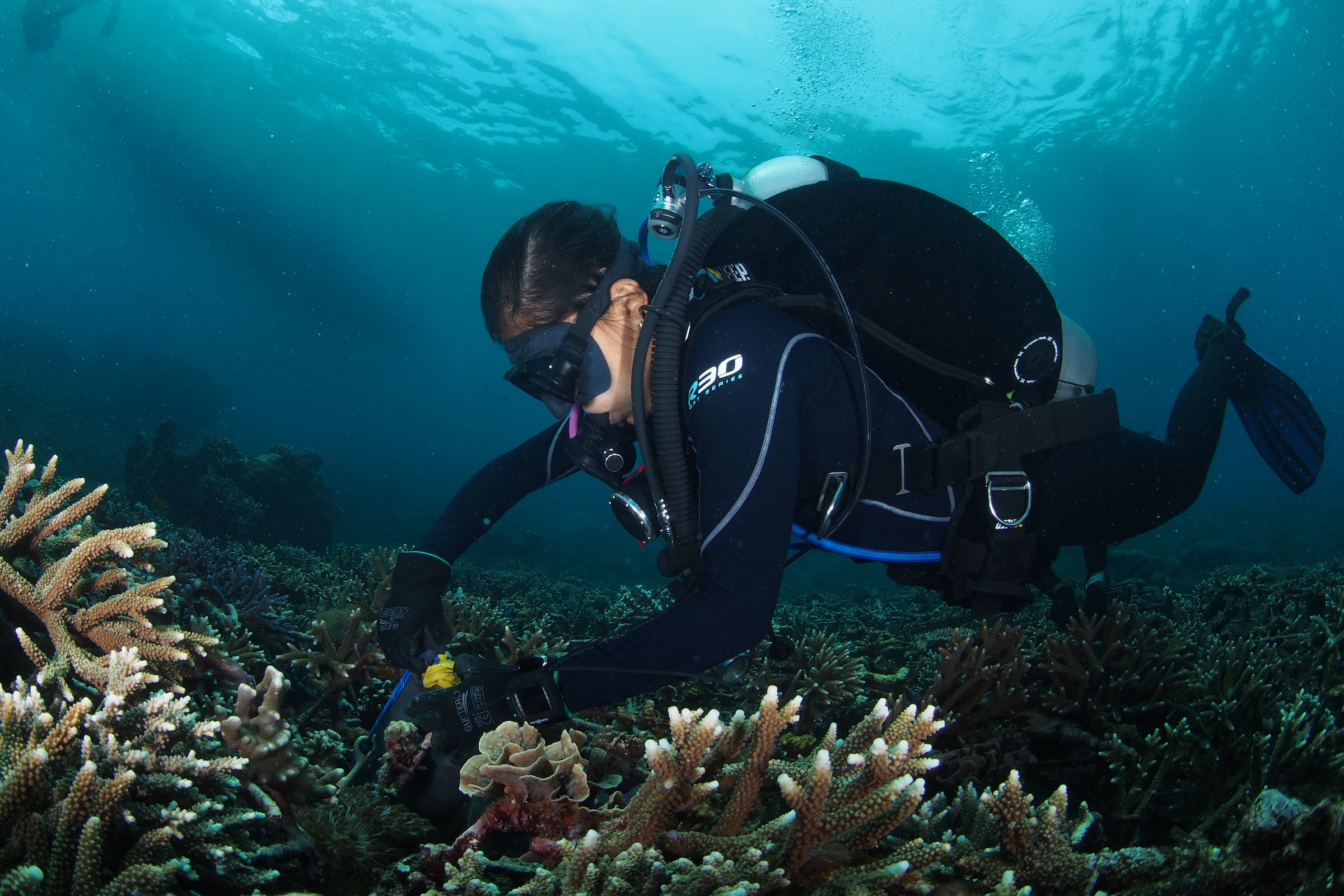
At Project Laut in Nusa Penida, coral reef restoration brings together practical conservation, research and education. Our restoration area now holds more than 2,000 MARRS-based structures, distributed across patches established over several years. From our earliest restoration work to newer research patches, the project continues to develop through careful observation, ongoing maintenance and the involvement of people who come here to learn.
The recovery achieved within the project is something we are proud of. Areas of coral rubble have developed into established coral habitat, demonstrating the potential of sustained restoration work. Behind those changes is a commitment to coral diversity, responsible methods and the long-term care of every area we restore.
For those joining us, the project offers an opportunity to experience that recovery first-hand and contribute to the work that supports it.
A restoration programme built over time
Our restoration area includes patches of different ages, each contributing to the wider project. Some support recently attached fragments; others have developed over several years into established coral assemblages. This range allows us to study how restoration progresses and adapt our work as the needs of each patch change.
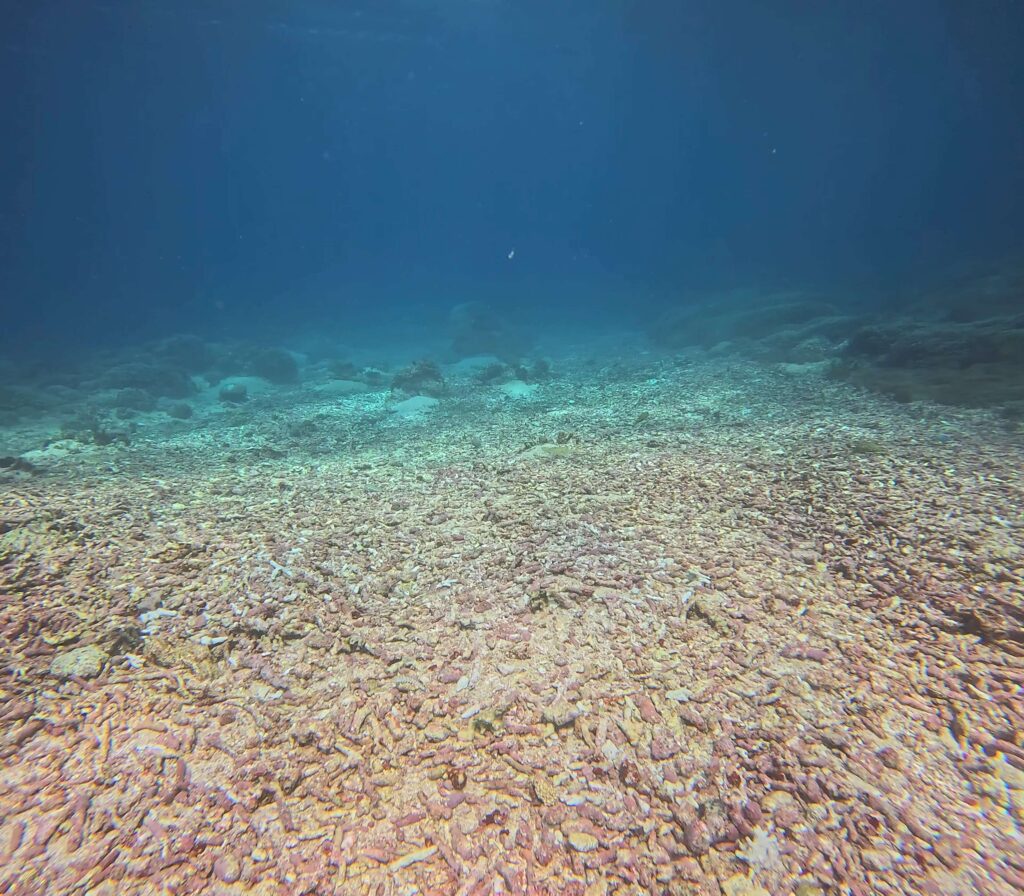
The development of living coral habitat is among the most rewarding outcomes of the programme. Fragments attached during earlier restoration work have grown into established colonies, transforming areas that were previously dominated by rubble. That change reflects the combined effort of site preparation, coral attachment, maintenance and continued care.
Our oldest patch is now more than three years old and generally requires hands-on maintenance only once every few months, sometimes with no intervention needed. Its development offers an encouraging example of how the demands of restoration can change as a patch becomes established.
Together, these patches provide a setting for research and education. Participants can see the results of earlier work alongside current restoration activities, placing their own contribution within a much longer process.
Coral diversity guides our approach
We work with a variety of coral species and genera, creating mixed coral assemblages across our MARRS-based structures. Diversity is central to how we plan the restoration area and to the habitat we aim to support.
We do not believe in monocultures, on land or in the ocean. Our approach reflects that commitment through the composition of our structures and the different corals represented within the project.
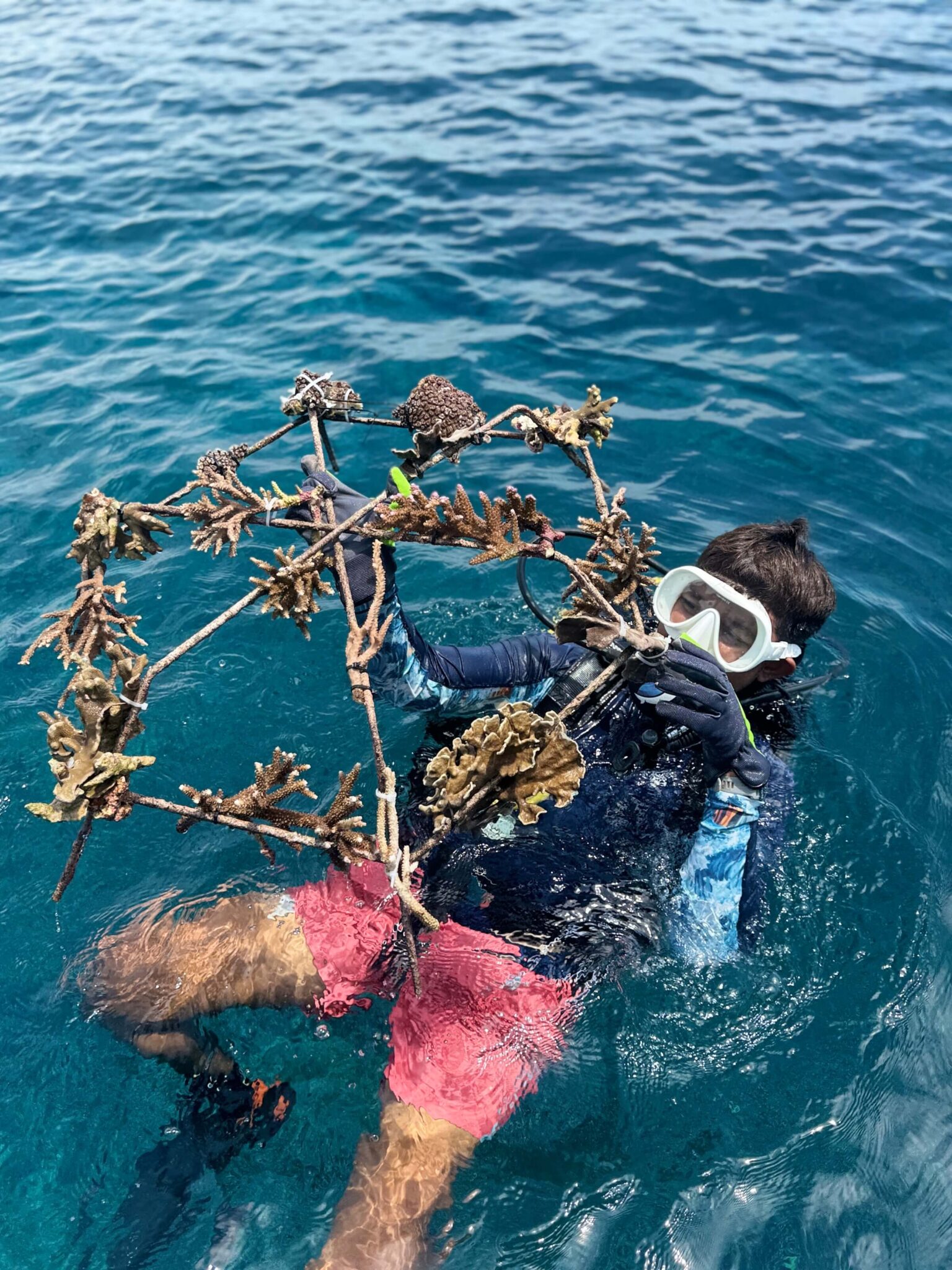
All fragments used in our restoration work are corals of opportunity: corals that have already become detached. We do not cut or break intact colonies on natural reefs to supply the project. Protecting existing coral communities is fundamental to the work.
Alongside restoration, our conservation programme includes in situ nurseries, reef health surveys and reef monitoring surveys. These activities connect the practical work of establishing and maintaining patches with the ongoing study of their condition and development.
Refining Our Coral Restoration Methods
Specific patches are dedicated to research and trials, helping us assess which materials and approaches work best at our site.
We retain an epoxy-coated control patch alongside the cement coatings used on more than 1,000 subsequent structures. In our experience here, the cement coatings have performed just as well. Another patch is trialling naturally biodegradable cable ties.
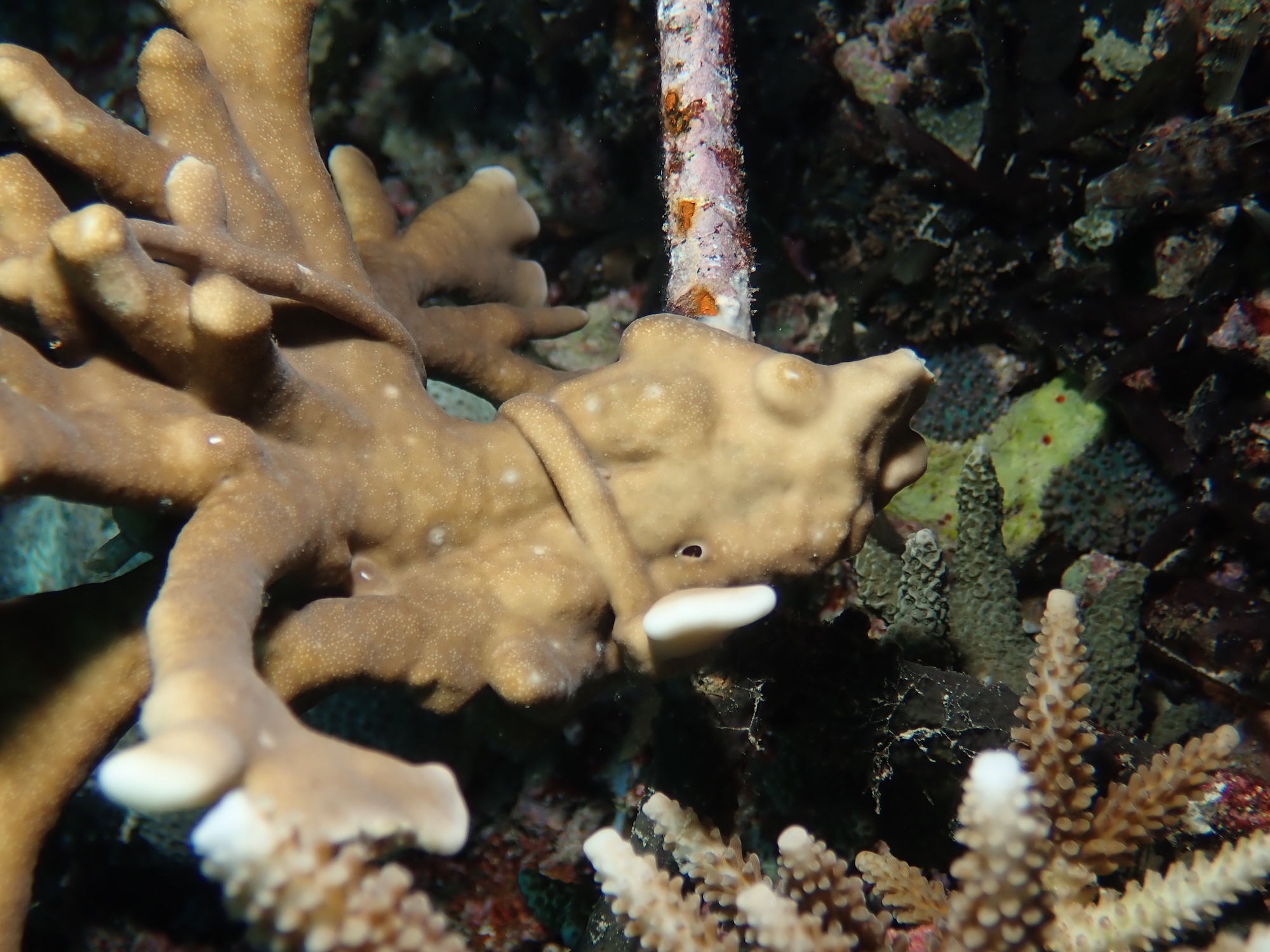
These trials allow us to follow the performance of materials beyond installation and use those observations to inform the project’s development. Restoration involves decisions whose consequences unfold over time; maintaining dedicated research patches helps us examine those decisions in the conditions where the methods are being used.
For participants, this is an opportunity to learn within an active conservation project, where practical work is accompanied by investigation, assessment and refinement.
Long-term care is part of the plan
Reaching more than 2,000 structures represents a substantial collective effort. It also brings an ongoing responsibility to maintain the areas already established.
Quality takes priority over quantity. We plan expansion around our capacity to care for the project. Careful coral handling, mixed-species assemblages, sound underwater skills and attention to existing patches guide that work.
A long-term restoration plan must account for the people, expertise, equipment and funding needed after installation. Maintenance and monitoring are continuing commitments, with the level of intervention adapted to each patch’s condition.
At Project Laut, those responsibilities are part of everyday project management. Our team provides continuity across restoration activities, research and training, while participants contribute through supervised work. Every course takes place within a programme that extends well beyond an individual stay.
Everyone can begin learning about coral reef restoration in Bali
Education is integral to our marine conservation work in Bali. Sharing the knowledge behind restoration enables more people to participate thoughtfully and understand the purpose of the work they undertake.
You do not need a marine science degree to get involved. We welcome people from different educational and professional backgrounds, with training and supervision matched to their experience.
Depending on the programme and stage of training, participation can include preparing structures, attaching coral fragments, maintaining established patches and recording site condition. For underwater activities, buoyancy and equipment control are essential foundations for working carefully around living coral.
The established restoration area gives that learning context. Participants can explore the outcomes of earlier work, engage with current research and develop practical skills while contributing to the project’s continued care.
How to get involved in Nusa Penida
From the SSI Coral Reef Restoration Specialty to our short conservation courses, Conservation Divemaster and Eco Instructor programmes, conservation connects what we do and what we teach.
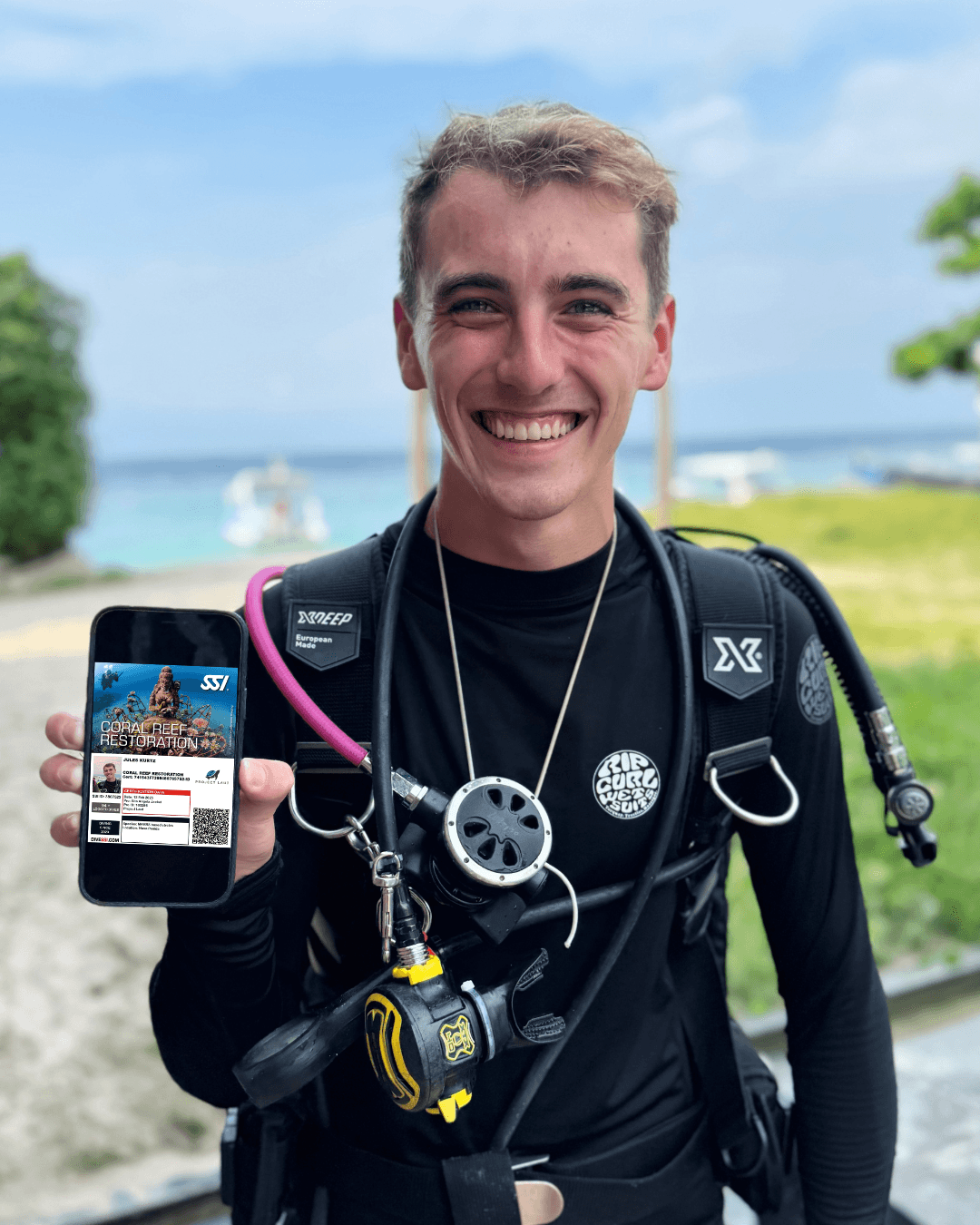
Take the SSI Coral Reef Restoration Specialty
The specialty combines academic learning with supervised restoration dives, introducing the principles behind the project alongside practical attachment and maintenance work. It offers a focused introduction to coral restoration within an established conservation programme.
Enquire about the SSI Coral Reef Restoration Specialty.
Join a short conservation course
Our short marine conservation courses in Bali give you more time to learn alongside the team and participate in the project. Depending on your programme, this can include coral restoration, fish identification, reef surveys and sea turtle identification.
A longer stay gives you opportunities to practise, revisit the site and develop a broader understanding of reef ecology. Activities and certifications vary by programme, and we can help you find the right fit.
Train as a Conservation Divemaster
Our Conservation Divemaster programme combines professional dive training with conservation education and field experience. It is a pathway for people who want to develop their diving and leadership skills while taking part in our ongoing marine conservation work.
You build an understanding of the reef alongside the ability to guide and support other divers, bringing ecological awareness into your development as a dive professional.
Become an Eco Instructor
Our Eco Instructor programme connects SSI instructor training with conservation participation, ecology education and Ecology Instructor development. It gives eligible Divemasters a route into teaching with marine conservation at the centre of their professional development.
The opportunity extends beyond your own learning: you develop the skills to help future students understand and care about the marine environment too.
Come and be part of the project
The progress at our restoration site is something we are proud to share. It reflects the care of a committed team, the contribution of people who have learned with us, and a willingness to keep observing, questioning and improving the work.
You can experience that progress yourself and learn how to contribute. Whether you have time for a specialty or want to build conservation into your future as a dive professional, we would love to hear from you.
Tell us about your interests, diving experience and the time you have available, and we will help you find your way into marine conservation with Project Laut in Nusa Penida.