
Dive Courses in Bali
Explore Project Laut’s dive courses in Bali, from our flagship Conservation Divemaster and instructor training pathways to short marine conservation courses and technical diving programs in Nusa Penida.
Find The Right Dive Course in Bali
Project Laut offers multiple dive courses in Bali depending on your experience, time commitment, and goals. Whether you are starting from zero, progressing toward instructor level, joining a short marine conservation course, or exploring technical diving, this page is built to help you choose the best fit.
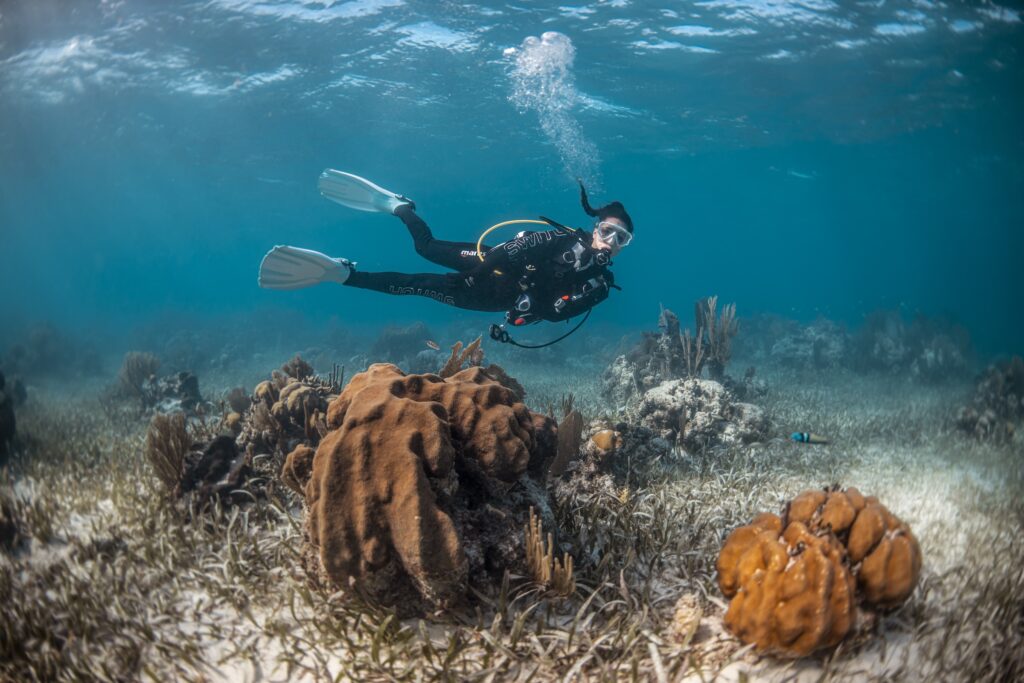
Conservation Divemaster
Our flagship conservation divemaster pathway for divers starting from multiple entry points, from zero certifications to Rescue level, combining professional dive development with real marine conservation work.
Who’s It For: Future Dive Professionals
Time Commitment: 8 – 14 weeks
Instructor Training
SSI Instructor training pathways ranging from a focused fast-track ITC to extended ecology and technical development routes for Active Status SSI Divemasters moving into professional teaching.
Who’s It For: Divemasters & Pro-Level Candidates
Time Commitment: 2 – 8 Weeks
Marine Conservation Courses
Short marine conservation courses in Bali that combine diving, practical participation, and ecology training in a lower-commitment format.
Who’s It For: Divers with less time or budget
Time Commitment: 2 – 6 weeks
Technical Diving
Structured technical diving training in Bali for divers looking to build advanced skills through guided progression, serious academics, and practical in-water development.
Who’s It For: Experienced and Advanced Divers
Time Commitment: Course / Bundle Dependent

Conservation Divemaster Spotlight in Bali
Project Laut’s flagship conservation divemaster pathway is designed so divers can enter from different starting points and progress through to Divemaster level. Each route combines professional dive development with real conservation participation in Nusa Penida and leads toward SSI Divemaster certification.
14 Weeks
Zero to Divemaster
For candidates starting with no diving certifications, but are comfortable in-water.
12 Weeks
Open Water to Divemaster
For candidates who already have their Open Water certification.
10 Weeks
Advanced to Divemaster
For candidates who already have their Advanced Open Water certification.
8 Weeks
Rescue to Divemaster
For candidates who already have their Rescue certification and active React Right.
Not Sure Which Divemaster Path Fits You Best?
If you are still comparing options, read our guide on how to choose the best Divemaster course in Bali. It breaks down what to look for in training quality, internships, mentoring, course structure, and the right learning environment.
Not sure whether a Divemaster internship or Divemaster course is the better fit? You can also compare Divemaster pathways in Bali before choosing.

SSI Instructor Training in Bali
Project Laut offers multiple instructor training pathways in Bali, from a focused fast-track ITC to extended programs that combine teaching development with ecology participation or technical diving progression.
14 Days
Fast Track to Teach
A focused instructor training course for candidates who want the essential pathway into teaching scuba diving.
Best For: Active Status SSI Divemasters ready to get certified and start teaching scuba diving.
8 Weeks
Eco-Instructor
ITC plus six additional weeks of conservation participation and instructor-level ecology specialty development.
Best For: Candidates who want to teach ecology with more depth and field experience.
8 Weeks
Instructor Go-Technical
ITC plus 6 weeks training focusing on technical diving student-level certifications and a short Tulamben training trip.
Best For: Candidates who want to pair instructor development with entry-level technical progression.
Flexible pathways and add-on teaching bundles
As a full SSI Instructor Training Center, Project Laut can also create tailored teaching bundles, formalize extended shadow periods, and build longer-stay pathways such as a Divemaster Instructor Bundle with core specialty teaching certifications.
Still comparing instructor courses in Bali?
If you are still comparing your options, read our guide on how to choose the best dive instructor course in Bali. It breaks down what to look for before booking, from training quality and group size to hidden fees and red flags.
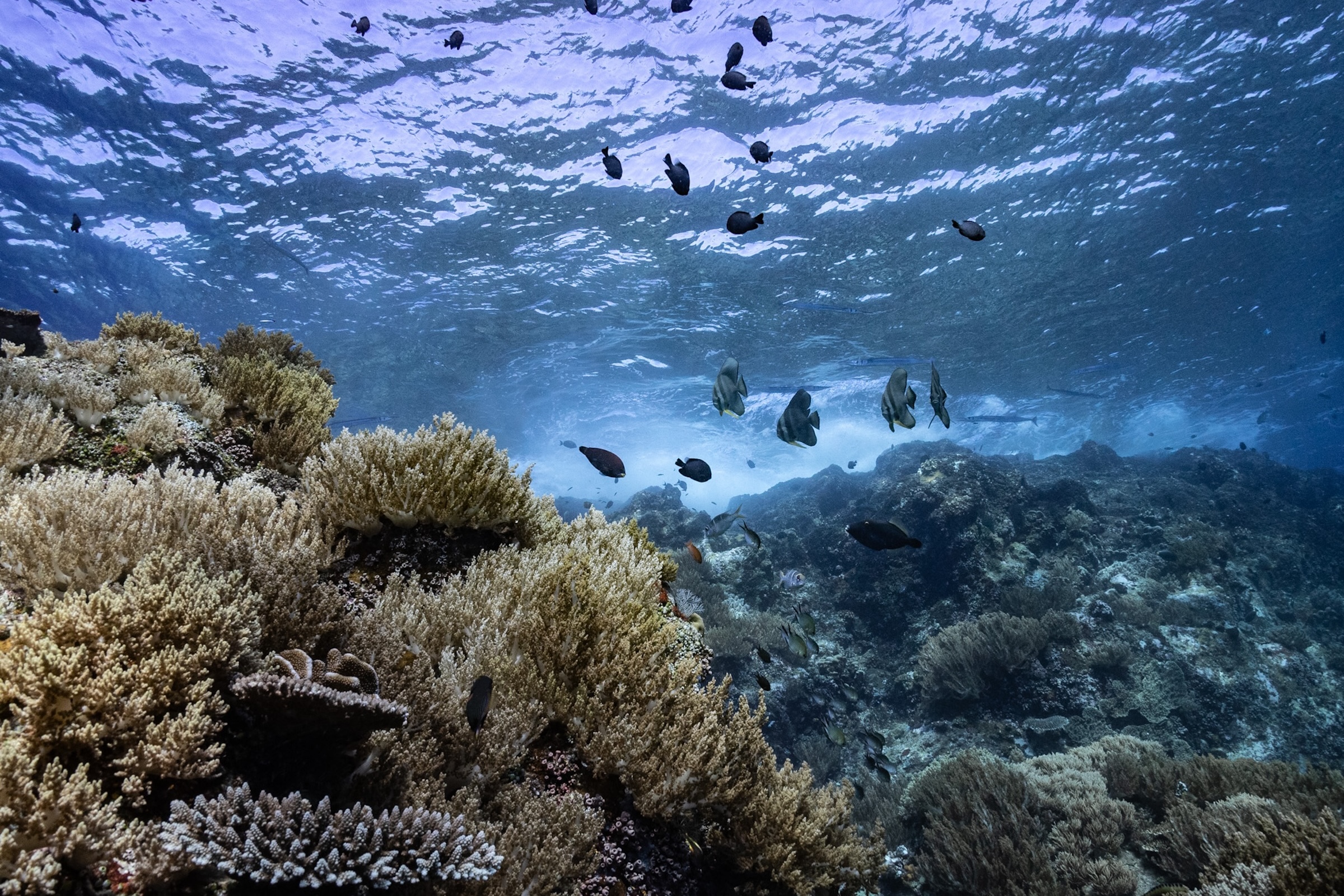
Marine Conservation Courses
These short marine conservation courses in Bali are designed for divers who want meaningful conservation participation, structured learning, and bundled diving without committing to a full professional program. For conservation initiatives, Project Laut works with GoOcean and REEF.org to support real field-based learning.
2 Weeks
Coral Restoration Foundations
A focused short-course pathway combining diving with Project Laut, daily participation in conservation activities, and hands-on exposure to coral restoration skills and reef work.
Includes: SSI Coral Identification + diving + daily conservation participation
3 Weeks
Coral Restoration & Fish ID Immersion
A longer field-based pathway with more diving, broader participation in Project Laut’s daily activities, and added reef ecology training.
Includes: Everything above + SSI Fish Identification
4 Weeks
Ecology Field Experience
A broader ecology pathway combining diving, daily conservation participation, and a more complete introduction to Project Laut’s core marine ecology work.
Includes: Everything above + SSI Sea Turtle Ecology
5 Weeks
Extended Ecology Immersion
A deeper short-course option with more time in the field, more dives, and broader participation across Project Laut’s daily activities.
Includes: Everything above + Project Laut T-Shirt
6 Weeks
Conservation Diver
A deeper short-course option with more time in the field, more dives, and broader participation across Project Laut’s daily activities.
Includes: Everything above + SSI Coral Reef Restoration
Technical Diving
Project Laut offers structured technical dive courses in Bali and guided technical dives for divers looking to develop advanced skills in a serious, well-supported environment.
3 Days | 4 Dives
Decompression Diving
An entry point into planned decompression diving for divers ready to move beyond recreational limits.
5 Days | 6 Dives
Extended Range
Technical training for divers looking to expand depth, gas planning, and decompression capability in a structured pathway.
3 Days | 4 Dives
Recreational Sidemount
A practical introduction to sidemount diving for divers who want to improve comfort, trim, and equipment familiarity.
3 Days | 4 Dives
Extended Range Sidemount
A technical sidemount pathway combining equipment configuration, redundancy, and advanced in-water control.
3 Days | 4 Dives
Extended Range Nitrox
Advanced nitrox training for divers using high-oxygen mixes as part of a decompression-focused technical progression.
1 Day | 1-2 Dives
Guided Technical Dives
Supported technical fun dives for qualified divers looking to explore local sites with a serious technical setup.
Technical Diving Bundles and Progression Pathways
Technical dive courses in Bali can be taken individually or combined into tailored bundles, with guided technical dives and progression-based pathways available depending on experience level and goals.
Choose The Right Dive Course In Bali
Each pathway at Project Laut is built for a different starting point, level of commitment, and long-term goal. If you are still deciding, this is the quickest way to identify the right dive course in Bali for you.
Choose
Conservation Divemaster if…
You want the full Project Laut training experience and a structured route into professional diving, with real conservation work built into the program. It is the strongest fit if you want more depth, more time in the water, and a pathway that can start from multiple certification levels.
Choose
Instructor Training if…
You are already a Divemaster and want to move into professional teaching through a focused SSI instructor pathway. It is the right fit if your goal is to become an instructor, build teaching confidence, and optionally continue into ecology-focused or technical development.
Choose
Marine Conservation Courses if…
You want meaningful diving, ecology learning, and hands-on conservation participation, but without the time commitment of a full professional program. It is the best fit for divers looking for a shorter, lower-commitment entry into Project Laut’s fieldwork.
Choose
Technical Dive Training if…
You want to build advanced diving skills beyond recreational limits through structured technical training or guided technical dives. It is the right fit for divers looking for more serious progression, stronger theory, and a more technical setup.

Looking for Fun Diving or Dive & Stay Packages instead?
Project Laut’s recreational diving, beginner-friendly courses, and boutique Dive & Stay packages are offered through Project Laut Diving on nusapenidadive.com. If you are looking for a more relaxed diving trip rather than a professional training pathway, explore the options below.
Dive & Stay Packages
Boutique stay-and-dive packages in Nusa Penida combining daily diving with accommodation at Tala Boutique Bungalows.
Fun Diving in Nusa Penida
Join guided fun dives to Nusa Penida’s top sites, including manta ray diving and daily trips for certified divers.
Not Sure Which Program Fits You Best?
Get in touch and we’ll help you choose the right dive courses in Bali based on your experience, goals, and time commitment.
Frequently Asked Questions
What dive courses in Bali does Project Laut offer?
Project Laut offers a broad range of dive courses in Bali, with a particular focus on pathways that combine strong dive training with conservation participation and field-based learning in Nusa Penida.
The main categories of dive courses in Bali offered by Project Laut include:
Conservation Divemaster
Dive Instructor Training
Technical Diving
Marine Conservation Short Courses
In addition to these main pathways, Project Laut operates as a full SSI Dive Center, which means a wider range of SSI courses can also be taught on request. The site’s main focus, however, is on courses that go beyond basic certification and create deeper, more structured development through training, ecology education, and meaningful participation in marine conservation work.
Which dive course in Bali is the best fit for my experience level?
The best fit depends on what you are looking for, what certification level you already hold, and how deeply you want to commit to training or conservation work.
For divers looking for a longer and more professional pathway, the Conservation Divemaster route is often the strongest option, with multiple entry points depending on your current certification level. For candidates who are already professional-level divers, the Dive Instructor Training pathway is the next major step. For divers who want a more serious progression into advanced equipment, decompression, and extended range diving, the Technical Diving pathways are the right fit. For people wanting a shorter, more accessible experience, the Marine Conservation Short Courses offer a way to combine diving, ecology, and field participation over a shorter stay.
Because Project Laut is a full SSI Dive Center, the available dive courses in Bali are not limited only to the major pathways shown on the Programs page. But those main routes are the clearest starting points for most people.
Can beginners join Project Laut’s dive courses in Bali?
Yes. Beginners can join certain dive courses in Bali with Project Laut, depending on the pathway they are interested in.
For example, candidates can join the Conservation Divemaster pathway from different entry points depending on their current level, including lower-certification routes and beginner entry routes that build toward the professional level over time. The Marine Conservation Short Courses can also be accessible to divers at earlier stages, with the option to add required preparation before the main course begins.
Not every pathway is suitable for complete beginners—for example, Dive Instructor Training and most Technical Diving routes require stronger prior experience and certifications—but Project Laut’s overall course structure is designed so that people can enter at different levels and still build forward in a logical way.
What is the difference between the professional, conservation, and technical dive courses in Bali offered by Project Laut?
Project Laut’s dive courses in Bali differ mainly in length, training level, and how deeply they integrate conservation or technical progression.
The professional pathways, such as the Conservation Divemaster and Dive Instructor Training routes, are longer and more immersive. They are designed to develop candidates into stronger dive professionals through more repetition, more dives, deeper academic support, and a stronger overall foundation.
The marine conservation courses are structured to combine diving with ecology education and active participation in Project Laut’s conservation pillars. These can range from shorter introductions to longer, more integrated experiences depending on the course length.
The technical diving courses are built for divers who want serious progression in sidemount, decompression, extended range, and guided technical diving. These are taught at a high standard by experienced instructors and are structured around control, progression, and more advanced in-water development.
So while all of Project Laut’s dive courses in Bali share the same broader philosophy of quality training and meaningful participation, the actual pathways differ depending on whether your goal is professional development, marine conservation, or technical progression.
Are Project Laut’s dive courses in Bali focused more on training or conservation?
At Project Laut, the two are intentionally blended together.
Rather than treating conservation and dive training as separate categories, Project Laut’s model is built so that they reinforce one another. That means candidates do not simply learn diving on one side and then take part in unrelated conservation activities on the other. Instead, ecology education, in-water development, and project participation are combined into a more integrated pathway.
That blend is strongest in the Conservation Divemaster and Marine Conservation Short Courses, but it also shapes the wider culture of the operation. Even where the main goal is professional or technical development, the training environment still reflects a conservation-minded, field-based approach.
So the answer is that Project Laut’s dive courses in Bali are not purely one or the other. The point of the model is that strong training and meaningful conservation can exist together in a more useful way.d a clearer understanding of the marine systems they are working in.
How long are the different dive courses in Bali offered by Project Laut?
The duration of Project Laut’s dive courses in Bali varies widely depending on the kind of course and the depth of development involved.
At the shorter end, some lighter training options or introductory conservation participation can take place over just several days or around a week. The Marine Conservation Short Courses typically range from 2 to 6 weeks, while longer stays are also possible. The Conservation Divemaster pathways are much longer and vary depending on entry level, with different routes depending on whether someone begins from zero, Open Water, Advanced, or Rescue. Dive Instructor Training can be completed through the core 14-day ITC or extended into longer ecology or technical pathways. At the far end of the scale, candidates may stay for several months—sometimes up to 6 months—for extended professional development.
So the available dive courses in Bali range from shorter and more accessible pathways to very long and immersive professional routes, depending on what you want to achieve.
Can I continue from one dive course in Bali into another with Project Laut?
Yes. One of the strengths of Project Laut’s structure is that divers can often continue from one course into another rather than treating each course as a completely separate experience.
Because Project Laut is a full SSI Dive Center, it is possible to teach a wide range of SSI courses and build them into more customized progression routes. That means people can start with one pathway and then continue into another, or build bundles and unique entry points depending on their goals.
For example, a candidate may begin through a shorter route, move into a professional pathway, and later continue into Instructor Training. Others may combine instructor development with technical progression or add seminars and specialty ratings later on. This flexibility makes Project Laut’s dive courses in Bali especially useful for divers who want more than a one-off course and are thinking in terms of longer-term development. still making sure everyone reaches a strong professional standard by the end.
What makes Project Laut’s dive courses in Bali worth the investment?
Project Laut’s dive courses in Bali are worth the investment because they are built around strong teaching, small-group attention, and a model that combines real training with meaningful conservation and field experience.
Instead of focusing only on the end certification, Project Laut places a lot of emphasis on how candidates actually develop through the process. That means more attention to in-water quality, stronger academic foundations, and more depth in the overall training experience. For many people, that alone creates more long-term value than a faster or cheaper course elsewhere.
The second major reason is the fusion between conservation and training. Project Laut’s courses are not just about diving as an isolated activity. They are built to help people develop in a way that connects diving with ecology, restoration, monitoring, and real project participation.
In that sense, the investment in Project Laut’s dive courses in Bali is an investment in yourself—your skills, your confidence, your understanding of the marine environment, and your ability to move toward your goals with a much stronger foundation.